Why Recovery Matters for People Who Sit at a Desk
Oct 28, 2026
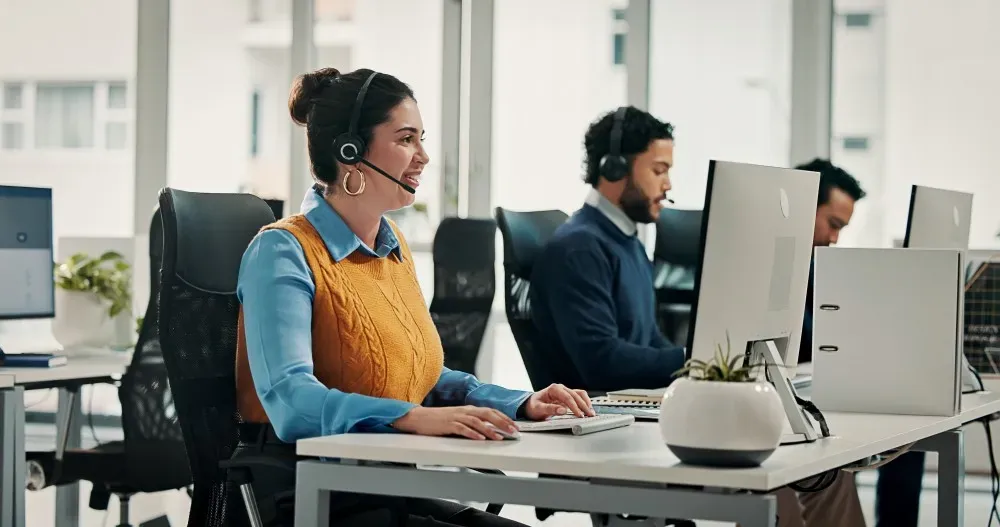
A common assumption is that spending eight hours at a desk gives the body a break because it is not exercising.
Physiologically, however, prolonged sitting is not simply "recovery."
When the body remains in the same position for extended periods, certain muscles stay relatively inactive while others may remain under sustained postural demand. Over time, this can contribute to stiffness and discomfort.
The issue is not that sitting is inherently harmful or that everyone who works at a desk will develop a problem.
It is the lack of movement variety and prolonged uninterrupted sitting that deserves attention.
Desk work commonly involves maintaining relatively fixed positions for extended periods.
Depending on the workstation and individual, this can mean:
Hips remaining flexed
Limited movement through the spine
Shoulders held in one position
Reduced activity of the leg muscles
Fewer opportunities to change posture
The result can be a familiar feeling of:
Tight hips
Stiff back
Tired legs
Neck and shoulder tension
Reduced mobility after standing up
These sensations do not necessarily indicate injury, but they can be signals that the body needs more movement throughout the day.
One of the simplest strategies for desk workers is also one of the most practical:
Get up and move regularly.
The World Health Organization recommends reducing sedentary time and replacing it with physical activity of any intensity when possible. Its physical activity guidelines emphasize that all movement counts and that prolonged sedentary behavior should be limited. (who.int)
This does not mean you need to exercise every hour.
A short walk, standing period, mobility movement, or change of position can break up prolonged sitting.
Recovery is often associated with runners, cyclists, and strength athletes.
But muscles can also become fatigued from maintaining posture for long periods.
Desk work may place sustained demands on:
Neck muscles
Upper back muscles
Lower back muscles
Hip muscles
Forearm and hand muscles
This is different from the muscle fatigue produced by heavy exercise, but it can still contribute to discomfort.
A useful recovery strategy therefore does not always mean lying down.
Sometimes it means changing the type of physical demand placed on the body.
Walking is one of the simplest ways to interrupt prolonged sitting.
It provides:
Leg movement
Joint movement
Mild cardiovascular activity
A change in posture
An opportunity to look away from a screen
For someone who spends most of the day seated, several short walking periods can be easier to maintain than trying to compensate with one intense workout at the end of the day.
Mobility exercises can help move joints through ranges that may be limited during desk work.
Depending on the individual, useful areas may include:
Long periods of sitting keep the hips in a flexed position.
Desk posture can reduce opportunities for spinal rotation and extension.
Computer work can involve prolonged positioning of the arms and shoulders.
Limited movement during sitting reduces normal ankle activity.
Mobility should be controlled and comfortable rather than aggressive.
Mobility alone is not enough.
Your body needs sufficient strength to control the movement available to it.
For desk workers, maintaining strength in the:
Glutes
Legs
Back
Core
Shoulders
can support everyday movement and physical resilience.
The U.S. Centers for Disease Control and Prevention recommends adults include both aerobic activity and muscle-strengthening activity as part of their weekly physical activity. (cdc.gov)
This is particularly important for people whose workday involves very little physical activity.
Recovery can be active or passive.
Includes:
Walking
Mobility exercises
Light cycling
Gentle movement
May include:
Rest
Massage
Heat
Compression
Other recovery modalities
For desk workers, active movement should remain central.
Passive recovery technologies may provide additional comfort, but they should not become a substitute for getting up and moving throughout the day.
Technology can have a role when used for a specific purpose.
Controlled heat can promote relaxation and produce circulatory responses. It may be useful after a long workday when relaxation is the primary goal.
Compression may be relevant when the legs feel heavy or fatigued, although it does not replace walking and regular movement.
For people experiencing muscular back tension or stiffness, mechanically controlled back-care systems may provide a targeted recovery option.
Photobiomodulation is being studied for musculoskeletal pain and recovery, although evidence varies depending on the condition and treatment protocol.
PEMF is also being investigated for pain and function in certain musculoskeletal conditions.
None of these technologies should be presented as a solution to prolonged sedentary behavior itself.
The first intervention is still movement.
Recovery begins during the workday.
A poorly arranged workstation can encourage awkward or static positions for hours.
Consider:
Screen height
Chair support
Keyboard and mouse positioning
Foot position
Ability to change posture
Opportunities to alternate between sitting and standing
Ergonomics cannot eliminate every source of discomfort, but a workstation that allows frequent posture changes can make movement easier to incorporate.
There is no single posture that needs to be maintained all day.
A more useful goal is postural variation.
Even a well-positioned posture becomes physically demanding when maintained without movement for hours.
Instead of trying to hold one "perfect" position:
Change position. Move. Walk. Stretch gently. Resume work. Repeat.
Movement variety is often more practical than attempting to maintain an ideal static posture throughout the workday.
Going to the gym after work is valuable, but it does not completely cancel out prolonged inactivity during the preceding eight or nine hours.
A person can complete a one-hour workout and still spend most of the remaining day sitting.
This is why both are important:
Structured exercise + regular daily movement
The CDC recommends adults accumulate at least 150 minutes of moderate-intensity aerobic activity per week, or an equivalent amount of vigorous activity, along with muscle-strengthening activity on at least two days per week. (cdc.gov)
But those weekly targets do not mean the remaining hours should be spent motionless.
A practical routine does not need to be complicated.
Everyday movement
Stand up, walk, or change position regularly.
Mobility
Use brief, comfortable movements for the hips, spine, shoulders, and ankles.
Workstation variation
Alternate positions rather than remaining static.
If you feel physically stiff:
5–15 minutes of easy movement
Followed by:
Mobility or light stretching
Then, if desired:
A targeted recovery modality
Such as heat, compression, or another appropriate option.
Prioritize:
Normal hydration
Relaxation
Consistent sleep
Avoiding unnecessary late-night stimulation
The objective is to arrive at bedtime physically comfortable and ready for restorative sleep.
Not every ache from sitting is simply a "desk problem."
Persistent or worsening symptoms should not automatically be attributed to posture.
Consider appropriate professional evaluation if you experience:
Persistent or severe pain
Numbness or tingling
Significant weakness
Pain radiating into an arm or leg
Loss of coordination
Difficulty performing normal activities
Symptoms that continue despite changing activity
Recovery technology should not be used to mask symptoms that require evaluation.
Desk work has changed how many people spend their days.
The challenge is not necessarily that people sit at all. Sitting is a normal activity.
The challenge is that modern work can make long periods of uninterrupted sitting remarkably easy.
That makes movement breaks, exercise, mobility, and recovery increasingly relevant for maintaining physical function.
Recovery is relevant to desk workers, not only athletes.
Prolonged sitting can reduce movement variety and contribute to stiffness and physical discomfort.
Regular movement breaks are one of the simplest ways to interrupt sedentary time.
Mobility and strength work help maintain physical capacity.
Structured exercise remains important, but it does not replace movement throughout the workday.
Recovery technologies can complement an active routine but should not replace regular movement.
Persistent, severe, or unusual symptoms should be professionally evaluated.
For someone who spends most of the day at a desk, recovery does not have to mean waiting until 6 p.m. and then trying to undo eight hours of sitting.
It can begin with the next walk to the kitchen, the next posture change, the next mobility break, or the decision to take the stairs.
The broader goal is simple:
Do not let a sedentary workday become a sedentary lifestyle.
Regular movement, appropriate exercise, and intentional recovery can work together to help maintain mobility, strength, and physical function over the long term.